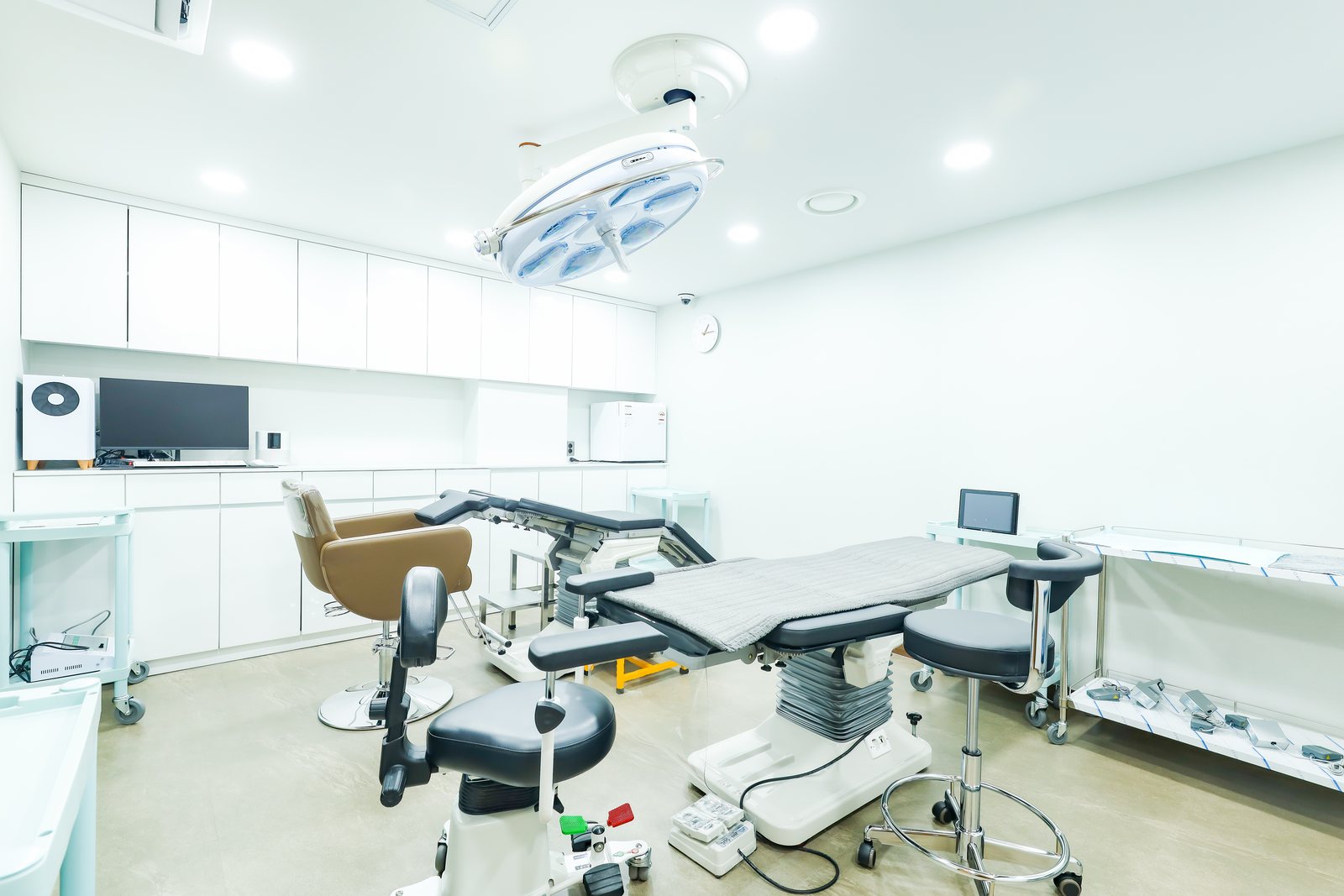
Dr. Kim Dae-woo performs the consultation, the hairline design, the extraction and the implantation himself — one operation a day, with a follicle dissection team that has been with the clinic since it opened. Transplantation, hair loss treatment and scalp micropigmentation sit under one director, so a plan can combine them instead of choosing between them.
The follicles at the back and sides of your head are the only ones androgenetic loss leaves alone, and they do not replenish. Every decision in a transplant is a decision about how to spend them.
That is why the graft count here follows the donor assessment rather than leading it, why a plan states what is being reserved for future loss, and why the honest answer is sometimes that surgery is the wrong route and treatment or micropigmentation will serve better.
Most people have this operation once, perhaps twice, in a lifetime. It is explained at that level of seriousness.

Follicular unit extraction with a 0.8–1.0mm punch. No scalpel, no linear scar, no stitches.
FUE Hair Transplant detailOnly the follicles being harvested are trimmed. Nothing about the operation is visible afterwards.
Non-Shaven FUE detail40–50 follicular units per cm² — 80 to 100 hairs — packed close to native density.
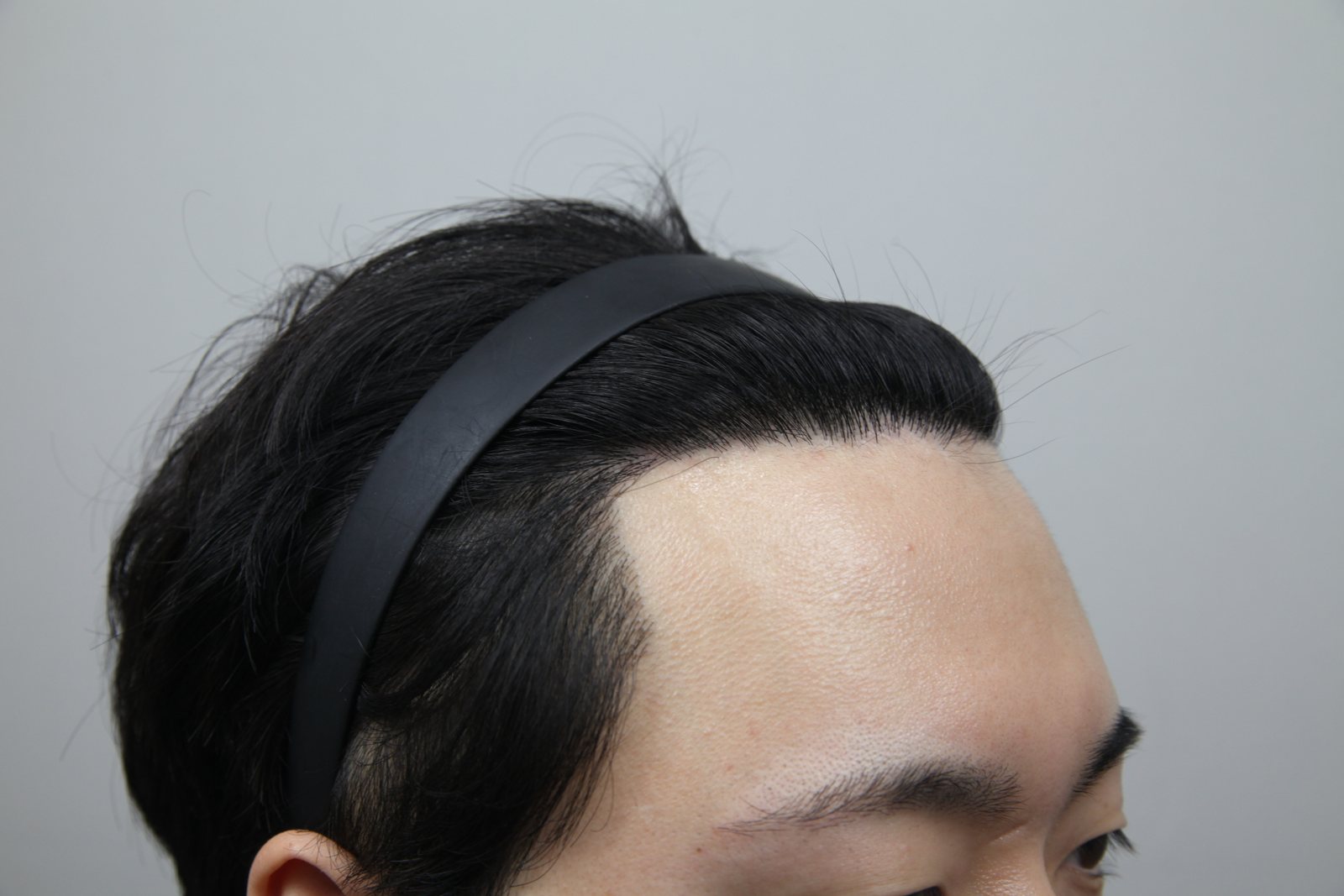
High-Density Hair Transplant detailReshaping the forehead-to-temple line to correct facial proportion, usually non-shaven.
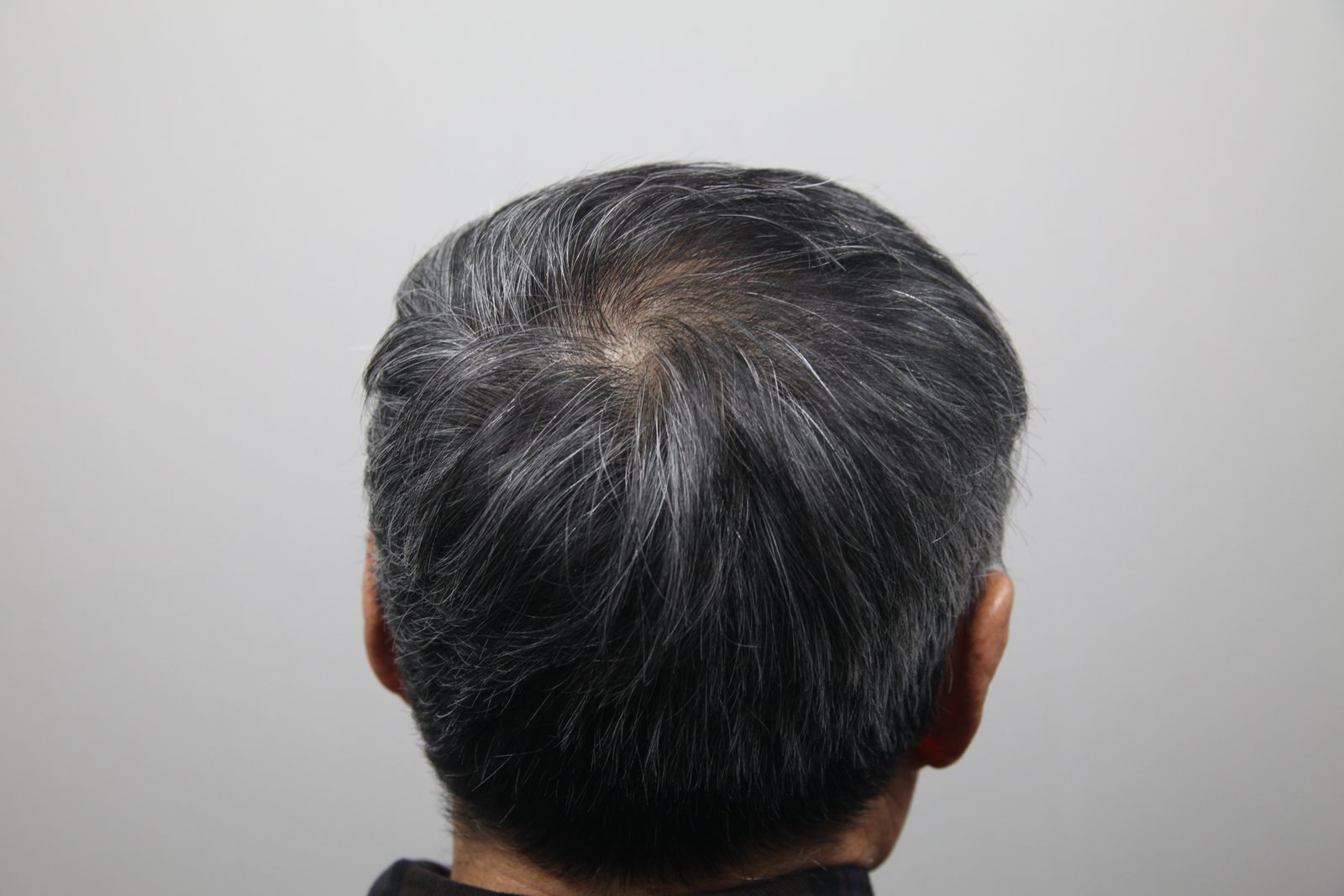
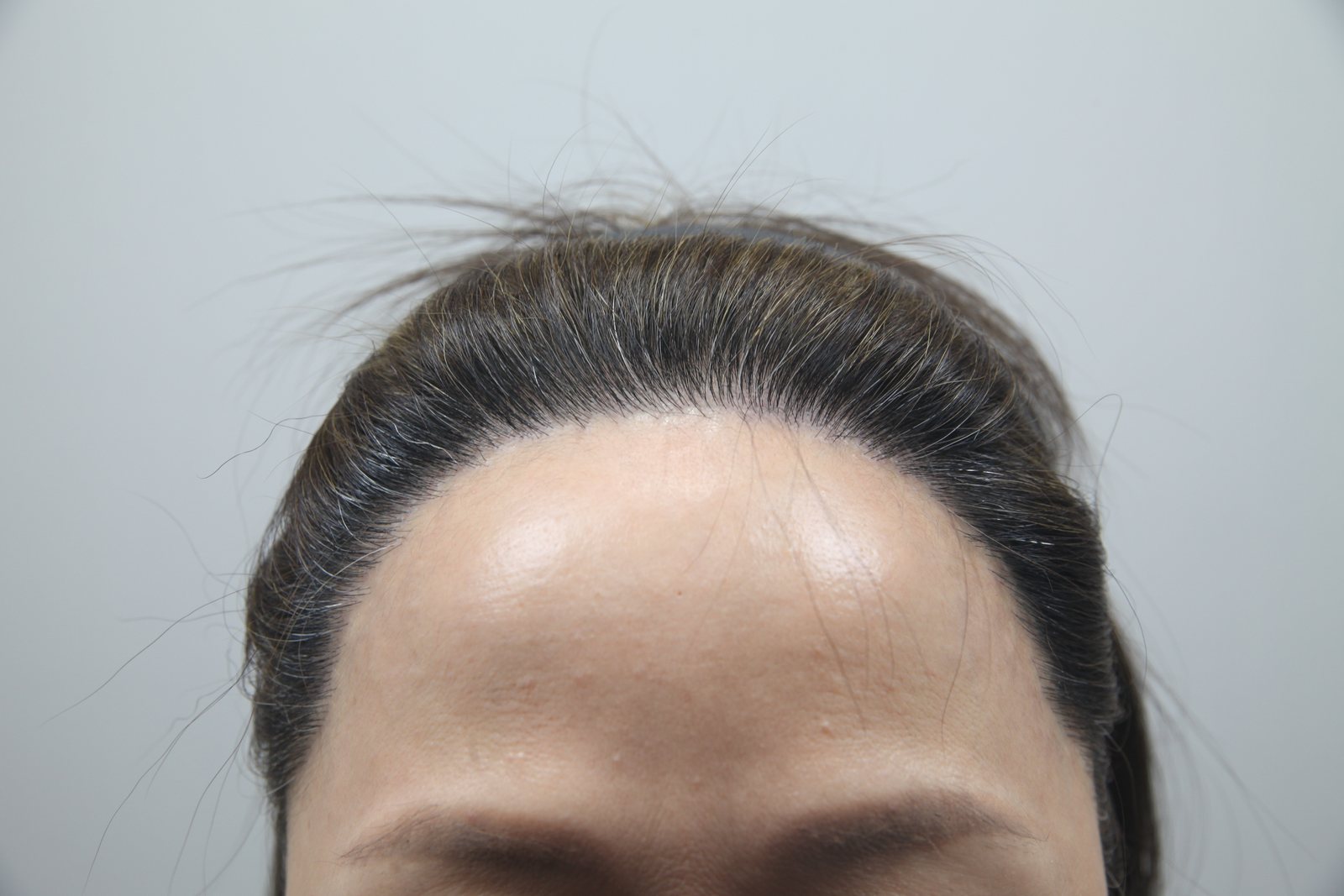
Female Hairline Transplant detailThe whorl at the crown, where hair grows in a spiral and coverage is hardest to fake.
Crown Hair Transplant detailLarge single-day sessions, and beard or body hair where the donor scalp is not enough.
Mega-Session & Body Hair Transplant detailActual patients treated at MONARA Dermatology Clinic. Transplanted hair sheds in the first month and returns from the fourth; results here are shown at eight months or later, and they differ between individuals.


Published with the written consent of the patients shown. Photographs are unretouched and taken under the clinic's standard conditions. No particular outcome can be guaranteed.

Largely your choice. Five donor cutting options run from a full shave to no cut at all — and in a non-shaven case your own hair covers the extraction points from the first day.
Which one suits you depends on graft count, hair length and how much concealment you need. It is decided at the consultation, not assumed.
FUE, non-shaven, high-density, crown, hairline, mega-session and revision
Explore Hair TransplantPRP, MTS, LLLT laser and scalp care programmes
Explore Hair Loss TreatmentSMP for parting, crown, scar camouflage and a shaved look
Explore Scalp MicropigmentationConsultation, hairline design, extraction and implantation are performed by Dr. Kim. Delegated or nurse-performed surgery does not take place.
Booking a single operation per day is what allows extraction, dissection and placement to run at a steady pace instead of against a second patient's start time.
Follicles deteriorate the longer they sit outside the scalp. A resident dissection team sorting grafts as they arrive is the practical answer to that, and it is why the team is not brought in per case.
Operations are performed under local infiltration anaesthesia, with sedation available on request. Sleep sedation requires at least four hours without food beforehand.
Pre-operative precautions, post-operative precautions, a foam shampoo method and a scheduled programme to one year are given to every surgical patient in writing.
Every plan begins with a one-to-one consultation. Tell us what you want to change and we will tell you honestly what is worth doing — and what is not.